
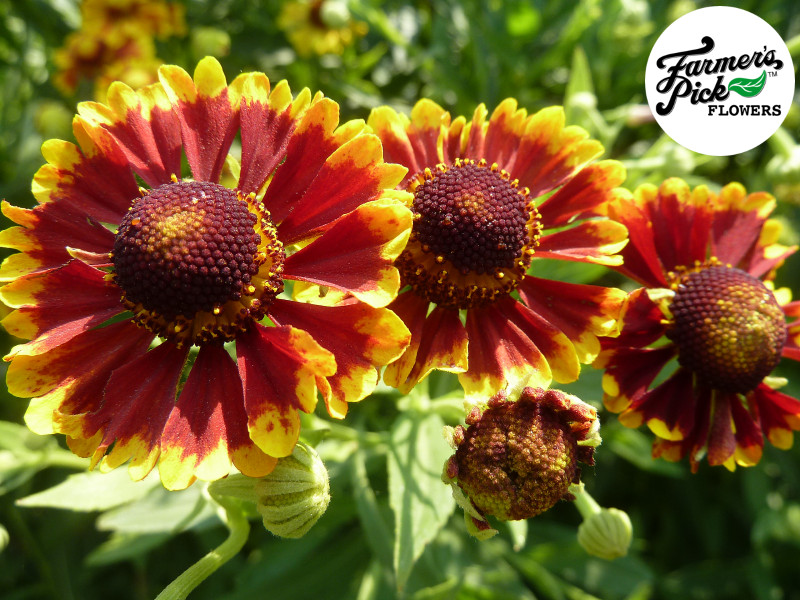
Summer has brought our first row of single stem, pollenless sunflowers abloom in several colors. The cheerful sunflower mixes well in a bouquet with amaranth, helenium, yarrow, zinnias, and sea holly.
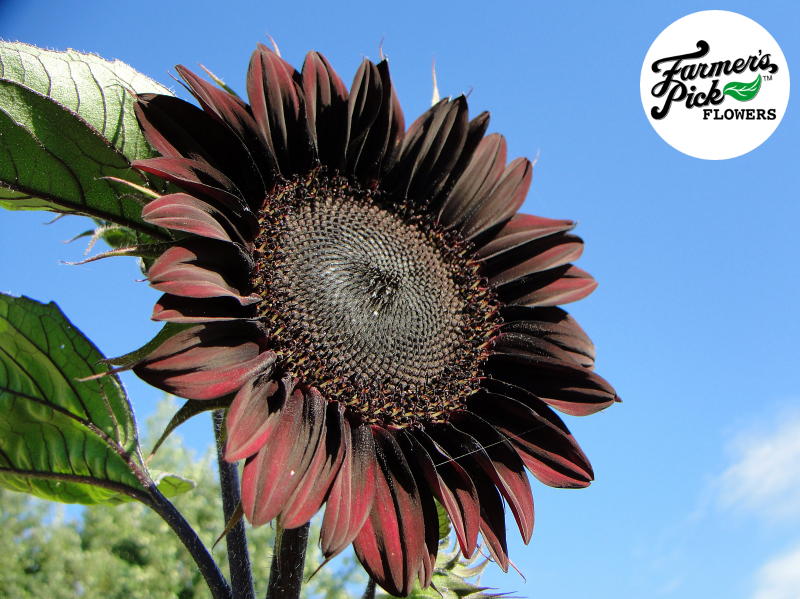

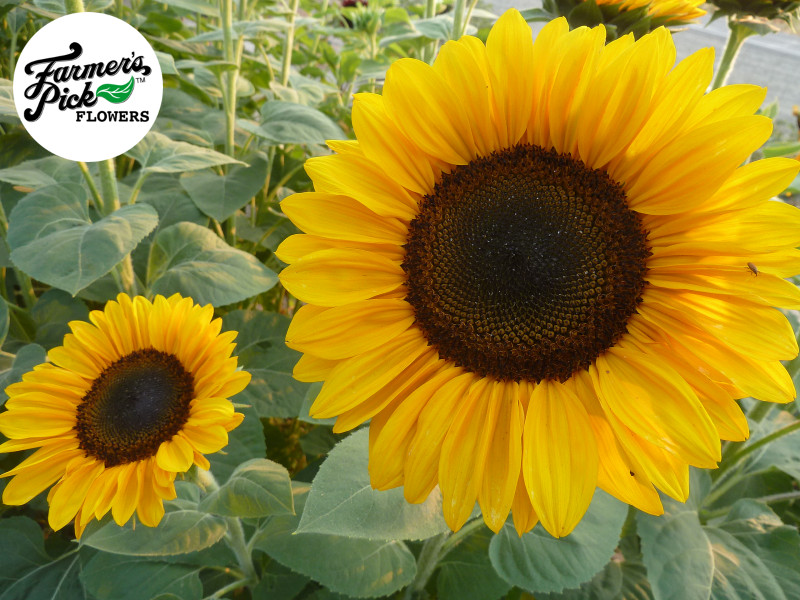
Ever wonder why and how sunflowers follow the sun? Young sunflowers track the sun through a process called heliotropism, which is driven by their internal circadian clock and uneven stem growth. During the day, the east side of the stem grows faster than the west, bending the flower head westward to follow the sun. At night, the west side grows faster, swinging the plant back to face east in anticipation of dawn. While this tracking maximizes photosynthesis and biomass in young plants, mature sunflowers stop moving and lock their heads facing east. This fixed orientation allows the blooms to warm up quickly in the morning sun, which attracts more bees and significantly boosts pollination.

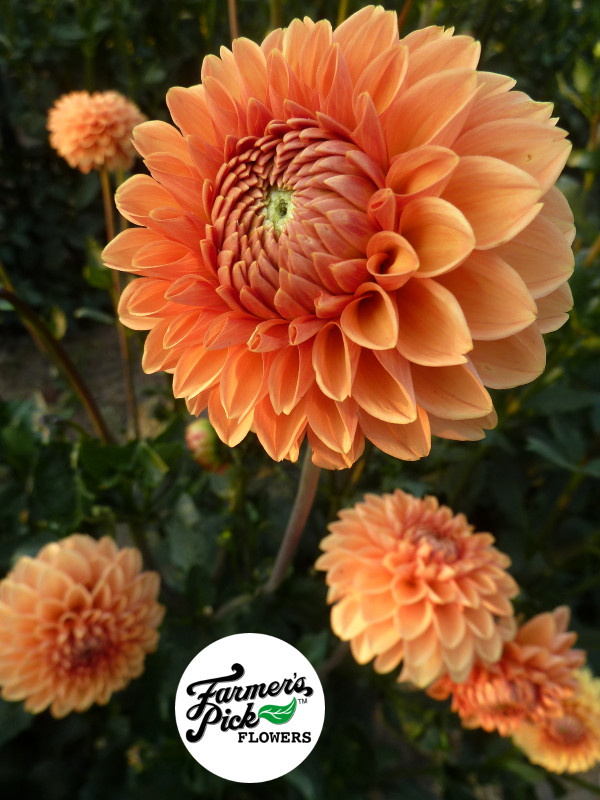
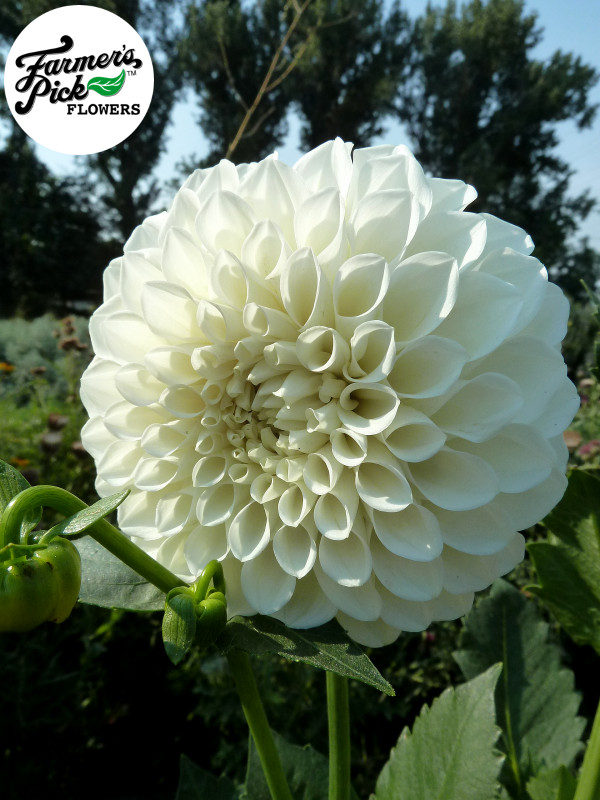
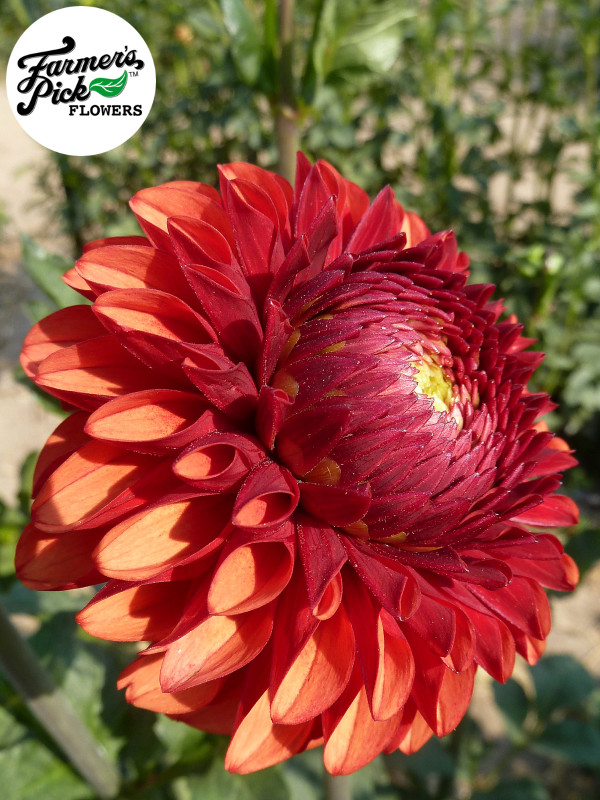
Ball and pompon dahlias with their petals that curve inward, have a tight symmetrical, globe-shaped appearance that are the perfect size for floral arranging. We planted 10 different varieties/colors this year. Although we got our dahlias in the ground early, we hoping they’ll continue to bloom until mid-October.
Until next time, peace.
-Paul
Proprietor, Farmer’s Pick